Best Gaming Chairs (2026) — Ergonomic Picks for Long Sessions Without Back Pain
A gaming chair should do one job exceptionally well: keep you comfortable and supported during long sessions — gaming, work, editing, streaming, or all of it.
The problem is that “gaming chair” has become a style category more than a quality category. Plenty of chairs look aggressive and feel great for 20 minutes… then punish your lower back for the next 6 hours.
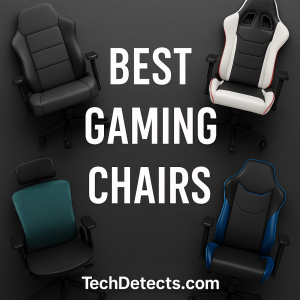
This guide is built like a buyer who’s spent real time in chairs: what matters, what’s marketing, and which models are actually worth buying in 2026.
Quick Picks
- Best overall gaming chair: Secretlab TITAN Evo (2025/2026)
- Best premium ergonomic chair for gamers (office-chair comfort): Herman Miller x Logitech G Embody
- Best lumbar-first gaming chair: Razer Iskur V2 (NewGen)
- Best “big body / wide seat” comfort: AndaSeat Kaiser 3 (or Kaiser 3 Pro)
- Best understated, firm-support option: noblechairs HERO ST
- Best budget gaming chair from a mainstream brand: Razer Iskur V2 X
- Best budget “gets the job done” pick: Corsair TC100 Relaxed (or similar relaxed-fit models)
How to Choose a Gaming Chair (So You Don’t Regret It)
Decide what you want: soft comfort or firm support
Some chairs feel soft and couch-like, but can collapse your posture. Some feel firm, but keep your spine supported.
Most people who sit long hours do better with: firmer support + proper lumbar + correct sizing.
Size matters more than people think
Many “bad chair experiences” happen because the chair is the wrong size.
- If the seat is too deep, your lower back won’t touch the backrest properly.
- If the seat is too wide, armrests may sit too far apart.
- If the backrest is too tall/short, head and shoulder support becomes awkward.
If a brand offers multiple sizes (Small / Regular / XL), it’s a real advantage.
Lumbar support should be adjustable — not just a pillow
Pillows are okay as a temporary fix, but the best chairs have:
- built-in lumbar adjustment
- height adjustment
- depth adjustment
Armrests matter for shoulder pain
For long desk sessions, armrests should move:
- up/down (height)
- in/out (width)
- forward/back
- angle/pivot
If the armrests can’t line up with your desk height, your shoulders end up doing the work.
Upholstery: fabric vs leatherette
- Fabric: better breathability, usually better for hot climates.
- Leatherette: easier to wipe clean, can feel warmer.
Best Gaming Chairs to Buy in 2026
Secretlab TITAN Evo (2025/2026) — Best Overall Gaming Chair
Why it’s here: This is the most consistently “safe buy” gaming chair for most people. It’s stable, well-built, highly adjustable, and available in multiple sizes — which is rare and genuinely useful.
Who it’s for: Anyone who wants a premium gaming chair that fits properly and stays supportive for long sessions.
What it nails
- Strong built-in lumbar adjustment (not just a pillow)
- Multiple sizes (helps people actually fit the chair)
- Solid build and stable recline mechanism
- Good long-session posture support
Trade-offs: It’s not cheap, and the “firm” feel can surprise people coming from soft chairs.
Herman Miller x Logitech G Embody — Best Premium Ergonomic Chair for Gamers
Why it’s here: If you want the best long-hour comfort and “ergonomic office chair” support — this is the one that many people end up upgrading to after trying multiple gaming chairs.
This isn’t a typical racing-style gaming chair. It’s built around a posture-supporting back design and movement that encourages micro-adjustments.
Who it’s for: People who sit for many hours daily (gaming + work), and want premium ergonomic support more than a racing-seat look.
What it nails
- Excellent spinal support and posture comfort over long sessions
- Great for “upright active sitting” at a desk
- Premium materials and long-term durability
Trade-offs: Price. Also, it looks more like a high-end office chair than a traditional gaming chair.
Razer Iskur V2 (NewGen) — Best Lumbar-First Gaming Chair
Why it’s here: Razer built its flagship chair identity around lumbar support. The Iskur V2 line focuses heavily on a dynamic lumbar system and a supportive seat that’s built for long sessions.
Who it’s for: Anyone who knows lower-back support is their #1 priority.
What it nails
- Strong lumbar support design with real adjustability
- Supportive seat for upright desk posture
- A good option for people who hate “flat backrests”
Trade-offs: Premium pricing, and the styling may not fit every room.
AndaSeat Kaiser 3 (or Kaiser 3 Pro) — Best for Bigger Frames and Plush Comfort
Why it’s here: If you’re taller, broader, or just want more room, many gaming chairs feel narrow or restrictive. Kaiser 3 is known for a roomier, more comfortable fit and a strong, stable build.
Who it’s for: Bigger/taller users, or anyone who wants a more spacious seat with a premium feel.
What it nails
- Roomy seat that suits larger frames better
- Strong adjustability and solid build
- Comfort-focused feel without turning into a couch
Trade-offs: Takes more physical space; not ideal for tiny desks or tight rooms.
noblechairs HERO ST — Best Understated “Firm Support” Chair
Why it’s here: Some people don’t want flashy logos and loud design. The HERO line is more restrained, with an emphasis on firm support and an office-friendly look.
Who it’s for: People who want a gaming chair that can sit in a home office without looking like a race car seat.
What it nails
- Firm posture-friendly support
- Adjustable lumbar built-in
- Clean, understated styling
Trade-offs: Recline range can be more limited compared to some “deep recline” gaming chairs.
Razer Iskur V2 X — Best Budget Pick from a Premium Brand
Why it’s here: This exists for people who want a recognizable gaming-chair brand without paying flagship prices. It trims features, but still aims to keep the core comfort and stability.
Who it’s for: Budget buyers who still want something more reliable than random no-name chairs.
What it nails
- Great value when discounted
- Solid basic ergonomics for the price
- A safer “budget brand” choice
Trade-offs: Less adjustability than premium chairs (armrests and lumbar systems are simplified).
Corsair TC100 Relaxed — Best Entry-Level “Comfort First” Chair
Why it’s here: Some chairs feel too narrow and aggressive. Relaxed-fit chairs like this aim for a more forgiving shape.
Who it’s for: People who want a budget-friendly chair that feels less restrictive.
What it nails
- More relaxed fit than many racing-style chairs
- Good starting point for casual users
Trade-offs: Not the best for strict ergonomic support compared to higher-end options.
What to Avoid (Common Gaming Chair Mistakes)
- Buying purely by looks: The “coolest” chair often has the worst ergonomics.
- No real lumbar support: A pillow isn’t the same as adjustable lumbar.
- 2D armrests only: Shoulder and wrist discomfort happens fast.
- Wrong size: Most discomfort is sizing mismatch, not the chair being “bad.”
Choosing the Right Chair by Use Case
Long hours at a desk (work + gaming)
- Herman Miller x Logitech G Embody
- Secretlab TITAN Evo
Back pain is your #1 problem
- Razer Iskur V2 (NewGen)
- Secretlab TITAN Evo
Bigger/taller body type
- AndaSeat Kaiser 3 / Kaiser 3 Pro
- Secretlab TITAN Evo (XL size if needed)
Budget under pressure
- Razer Iskur V2 X
- Corsair TC100 Relaxed
Conclusion
If you want the safest overall recommendation that fits the most people: Secretlab TITAN Evo is still the “buy it and stop thinking” option.
If you want premium, long-hour ergonomic comfort that feels like a true upgrade: Herman Miller x Logitech G Embody is the king.
And if you know your lower back needs help: Razer Iskur V2 (NewGen) is the lumbar-first pick.
The best gaming chair is the one that matches your body size, your desk height, and your sitting style — not the one with the loudest design.
Recommended Reading: Best Gaming RAM to Buy (In Low Budget)